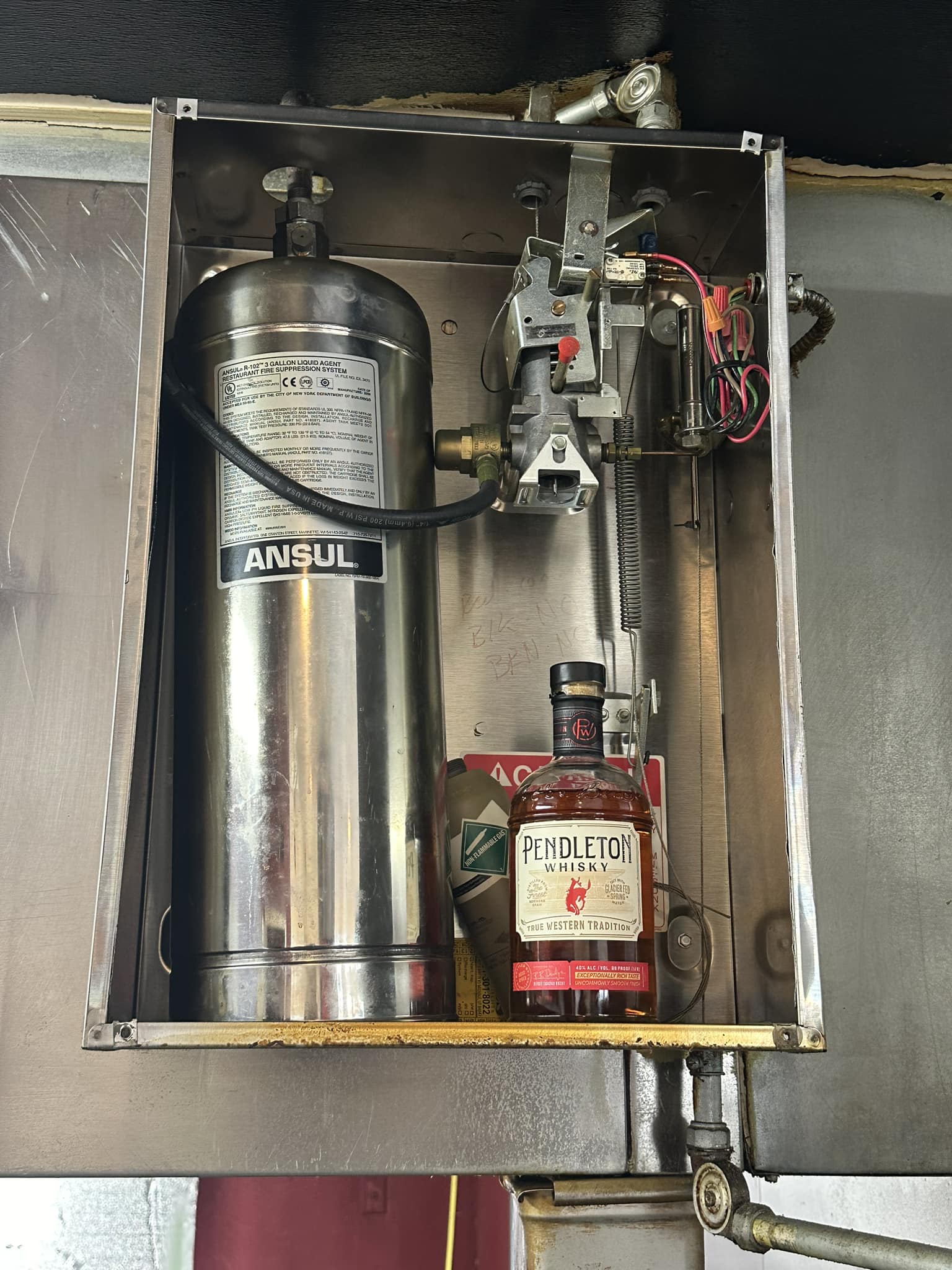
Restaurant fire systems is a big subject, with a relatively short history. It is where I am rooted, and the basis for what I do, and what I've done. When I first started doing this in the 90's there were still dry chemical systems in service. The manufacturers were moving towards wet chemical, but the UL 300 testing standard was barely a thing and had not become a mandatory requirement.
So what changed and why the new code? Kitchen systems work through the process of saponification. Basically the fire suppression systems drop chemicals on to the cooking media, which is fat, and renders the fat into soap. The soap then suppresses the fire. The restaurant industry moved away from rendered lard, and towards vegetable oils in their cooking processes. The difference is the flash point of animal oils is 550-600 degrees Fahrenheit. Vegetable oils at 685 degrees plus. The UL300 wet chemical added a cooling element. The old dry chem systems were dumping and the fryers were reigniting. Systems are a one shot wonder and buildings were burning down due to re-ignition. There are no UL-300 listed dry chemical suppression systems.
Contrary to popular belief, there are no grandfathered fire systems that meet code. Saying a system is grandfathered does not change the nature of fire, isn't worth the lives of your employees, and definitely not worth my livelihood or freedom.
How do they work? All restaurant systems are equipped with two methods of actuation. They have a manual release (pull station) and automatic detection in the form of a heat detector or fusible link. At the time either of these devices are activated a few things happen.
The biggest thing that happens is the chemical is released onto the cooking media. This is a mess, but not like the dry chem, sodium bicarbonate days. The wet chemical, potassium carbonate, is very focused and only dumps on the cooking appliances and near vicinity.
All sources of fuel are eliminated. Whether cooking with gas or electricity, the system shuts it down. Building alarms are triggered. Not just the kitchen but the entire building.
There is nothing fun about a system discharge, but they do happen and are required for the saving of lives and property.